

Many people believe that eating home-made food automatically guarantees weight loss. They avoid outside food, cook meals in their own kitchen, and still struggle with stubborn belly fat. This often leads to confusion and frustration. If the food is home-made and “healthy,” why is the belly fat not going away?
The truth is simple: home-made food is better than junk food, but it does not automatically mean fat loss. Weight gain or fat loss always depends on overall calorie balance, activity levels, and food choices within those home-cooked meals.
One common reason people still carry belly fat is portion size. Even healthy home-made meals can contain a lot of calories if the quantity is high. For example, eating multiple rotis with ghee, large servings of rice, or frequent second helpings can easily push calorie intake beyond what the body needs. When calorie intake consistently exceeds what the body burns, the extra energy gets stored as fat, often around the belly.
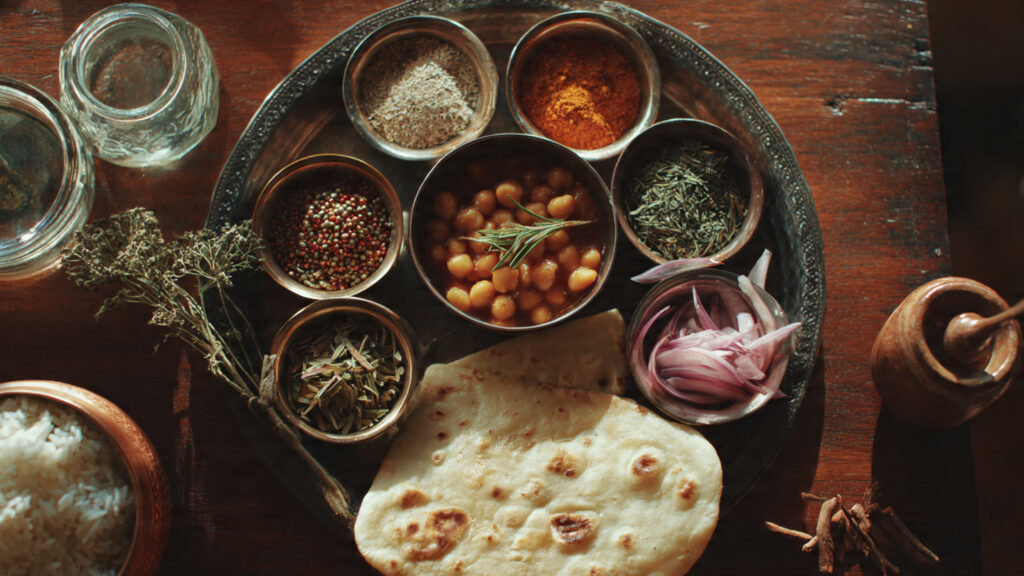
Another factor is high-carb dominant meals. Many traditional meals revolve around roti, rice, paratha, or potatoes, while protein intake remains very low. Protein plays an important role in fat loss because it helps control hunger, supports muscle maintenance, and increases satiety. When meals lack protein sources like paneer, dal, eggs, chicken, tofu, or curd, people tend to feel hungry sooner and end up eating more carbohydrates.
Cooking methods also matter. Home-made food can sometimes include excess oil, butter, or ghee. A single tablespoon of oil contains around 120 calories. When oil is added generously to sabzis, tadkas, or parathas, calories can increase quickly without making the meal much more filling. Over time, this calorie surplus contributes to fat storage.
Lifestyle habits also play a huge role. Someone might eat home-made food but still have low physical activity, long sitting hours, poor sleep, or high stress levels. Desk jobs and sedentary routines reduce the number of calories the body burns daily. When movement is minimal, even moderate food intake can lead to gradual fat accumulation around the waist.
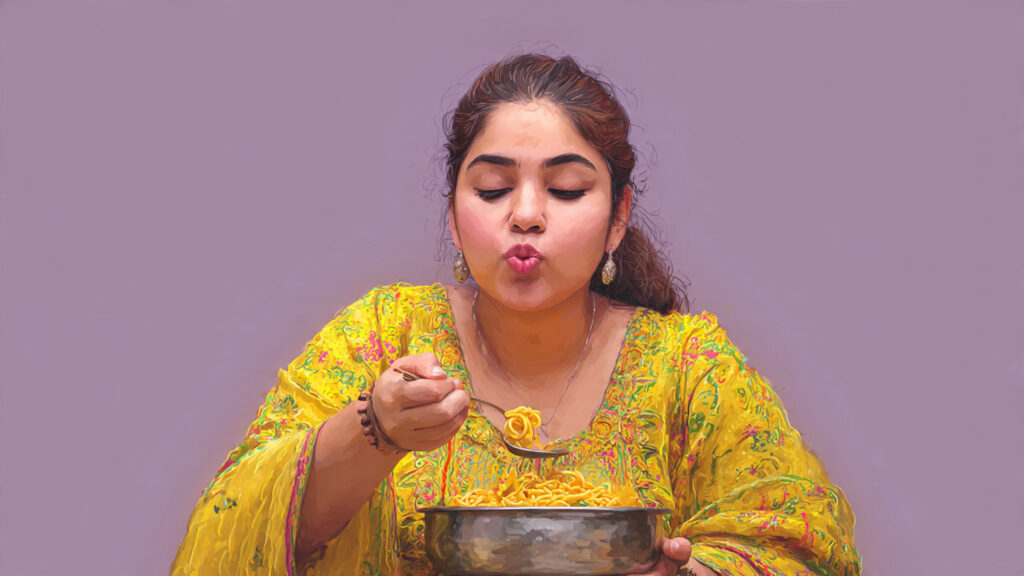
Frequent snacking is another hidden problem. Many people eat home-made meals but also snack on biscuits, namkeen, sweets, or tea with sugar multiple times a day. These small additions seem harmless but can significantly increase daily calorie intake.
The solution is not to abandon home-made food. In fact, home-cooked meals are one of the best foundations for fat loss. The key is to structure meals properly. Focus on balanced plates that include protein, vegetables, and controlled portions of carbohydrates. Reduce unnecessary oil while cooking and be mindful of portion sizes.
Along with better meal structure, adding regular workouts, daily walking, and strength training can make a big difference. Physical activity increases calorie burn and helps reduce belly fat over time.
So if you are eating home-made food but still struggling with belly fat, the issue is rarely the food itself. It usually comes down to portion control, protein intake, cooking style, and overall lifestyle habits. Once these factors are adjusted, home-made meals can actually become the most powerful tool for sustainable fat loss.
Recent Articles

When it comes to fitness, one of the most common debates is whether a home workout or a gym workout is better. The truth is, both options have their own
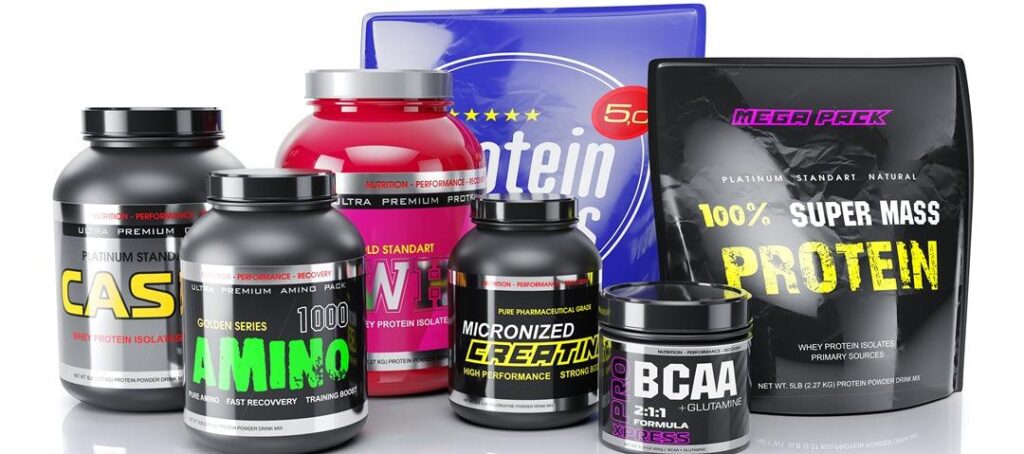
Introduction For many beginners in fitness, protein intake becomes a major concern. Gym trainers often recommend protein supplements, but people usually assume that good-quality protein powders are always expensive. The

Many people believe that eating home-made food automatically guarantees weight loss. They avoid outside food, cook meals in their own kitchen, and still struggle with stubborn belly fat. This often
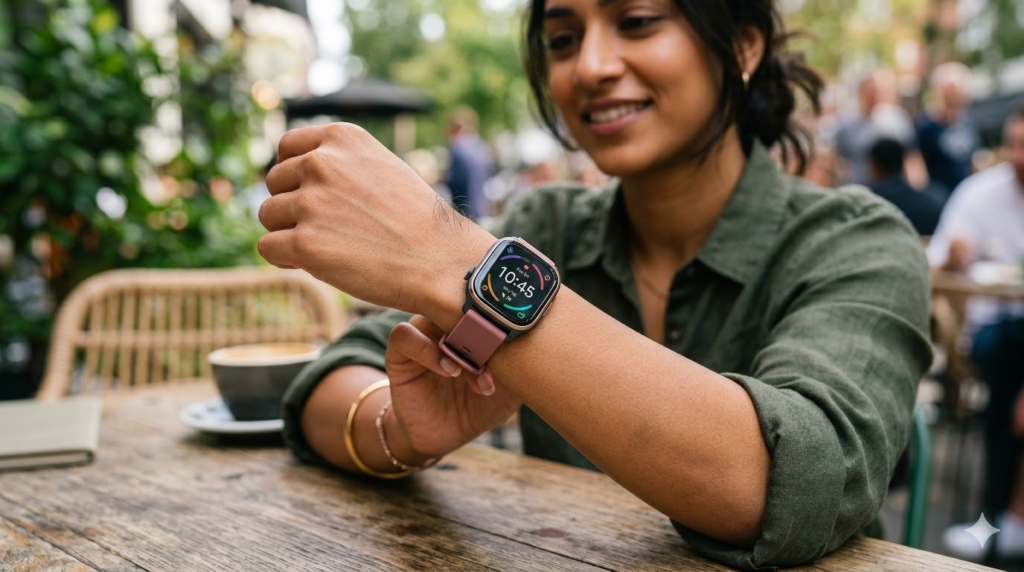
If you are planning to buy a smartwatch under ₹5000, you are likely comparing multiple options right now. Every product claims better battery, advanced fitness tracking and premium design. But
If you’re still confused about which whey protein to buy, let me tell you something, that’s actually a good sign. It means you’re not blindly purchasing the cheapest option or
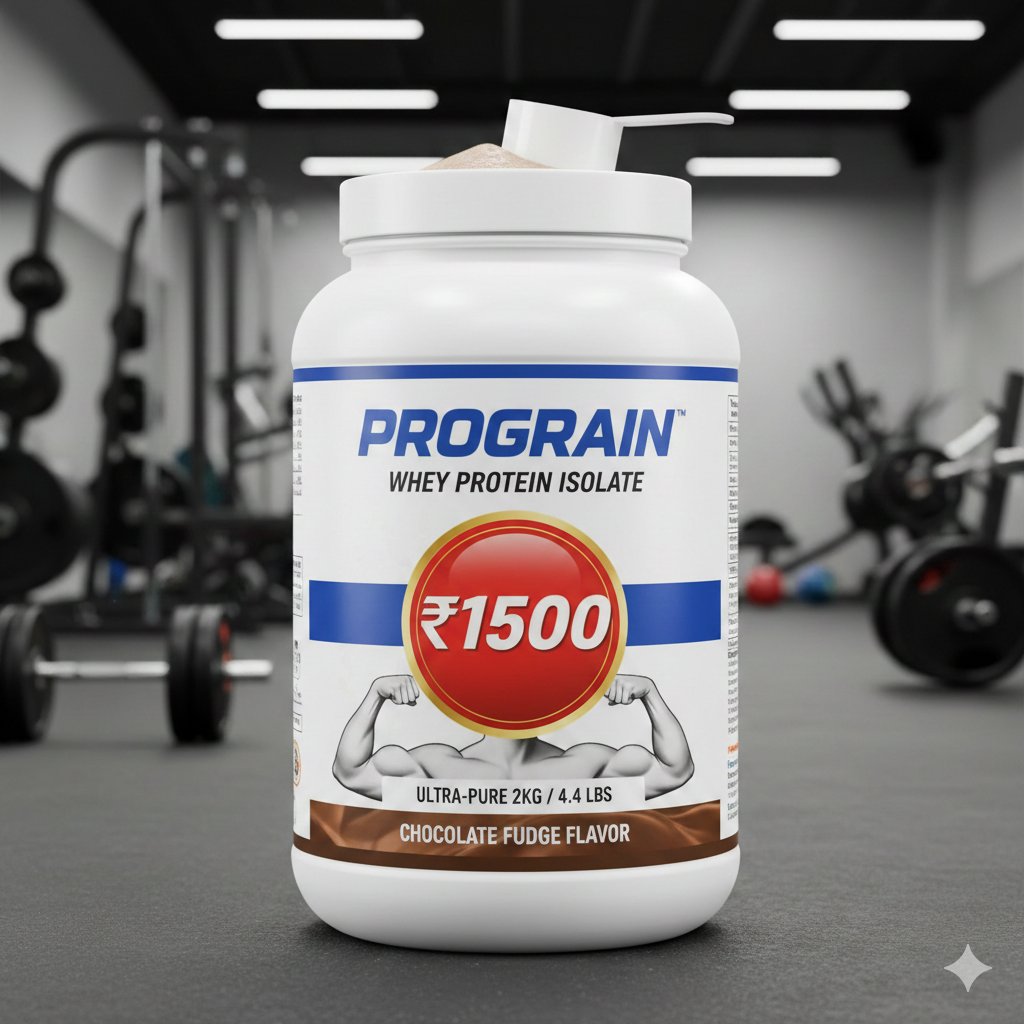
If your budget for whey protein is under ₹2000, you’re not alone. Most beginners in India fall into this category. But here’s the problem, they focus only on price, not

If you’re searching for a home workout plan, chances are you want something simple, effective, and sustainable. The problem? Most people either follow random YouTube workouts or create unrealistic plans
If you’ve searched for Nakpro Impact Whey recently, you’re not alone. The brand has seen a surge in popularity in India, especially among beginners and budget-conscious gym goers. But the
Leave a Reply